
Simple Ways to Reduce Noise at Home for a Quieter Space
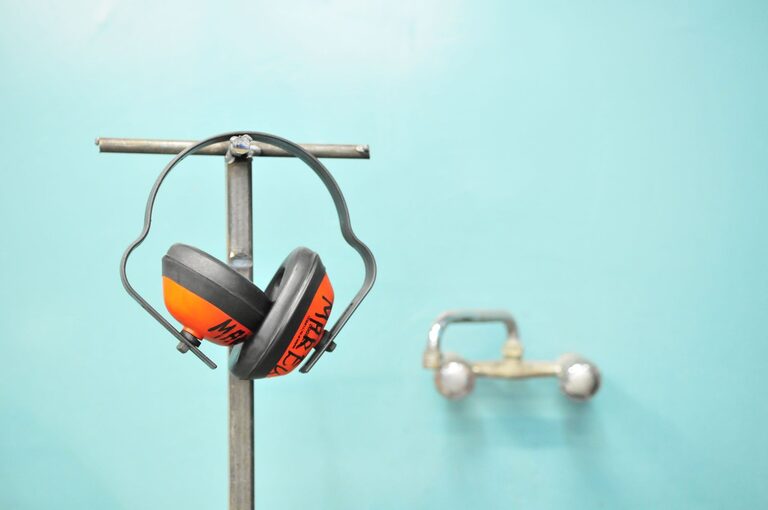
Creating a peaceful and quiet home environment can greatly improve your quality of life. Whether you live in a busy neighborhood, a bustling city apartment, or just want to reduce the everyday sounds inside your house, there are practical ways to reduce noise without breaking the bank or undertaking major construction.
In this article, we’ll explore simple, effective strategies to minimize noise at home and help you enjoy a calmer space.
Understanding Noise Sources in Your Home
Before diving into solutions, it helps to identify where most of your noise is coming from. Common noise sources include:
– Street noise from traffic, pedestrians, or nearby activities
– Noisy neighbors or shared walls in apartments
– Sounds from household appliances, heating or cooling systems
– Footsteps or voices from other rooms
– Outdoor noises like lawnmowers, barking dogs, or children playing
Knowing the main culprits will help you choose the most appropriate noise-reducing methods.
Quick and Easy Ways to Reduce Noise
1. Use Soft Furnishings to Absorb Sound
Hard surfaces like tile floors, bare walls, and glass windows tend to reflect sound, making noise bounce around your rooms. Adding soft materials helps absorb sound waves, reducing echo and lowering noise levels.
Try:
– Placing area rugs or carpets on floors, especially in high-traffic areas
– Adding thick curtains or drapes over windows
– Using upholstered furniture or adding cushions and throws
– Hanging fabric wall art or tapestries
These additions not only enhance your décor but also make your home quieter.
2. Seal Gaps and Cracks
Noise can sneak in through small gaps around windows, doors, or even electrical outlets. Sealing these openings prevents sound from entering or escaping.
Tips include:
– Applying weatherstripping tape around door edges
– Using caulk to seal cracks in window frames or walls
– Installing door sweeps at the bottom of doors to block sound
– Covering outlet plates with foam inserts designed to reduce noise
These inexpensive fixes can make a noticeable difference in noise levels.
3. Rearrange Your Furniture Strategically
Believe it or not, where you place your furniture can impact noise control.
– Position large, heavy furniture like bookshelves or sofas against walls that face noisy neighbors or streets to create sound barriers
– Use room dividers or bookshelves to separate noisy areas from quieter spaces
– Avoid placing seating directly next to windows or doors where noise is louder
This simple rearrangement can buffer noise without any construction.
4. Use White Noise Machines or Fans
If you can’t fully block outside sounds, masking them with a consistent background noise can help.
– White noise machines produce soothing sounds like rainfall or static that drown out sudden noises
– A fan or air purifier can create gentle, steady noise that helps you focus or sleep better
These devices are widely available and easy to use in bedrooms, offices, or living rooms.
Medium-Level Solutions to Further Reduce Noise
5. Install Soundproof Curtains or Window Inserts
Standard curtains can help, but soundproof curtains have dense cores designed to block more sound.
Additionally, window inserts—clear panes mounted inside your existing windows—create an insulating air gap that significantly reduces noise from outside.
Both options improve your home’s noise control without replacing windows or walls.
6. Add Acoustic Panels or Foam
For persistent noise problems, acoustic panels or foam tiles can absorb sound waves effectively.
– These panels come in decorative styles and colors, making them suitable for living rooms or home offices
– Place them on walls facing noisy neighbors or near noisy appliances to reduce echo and transmission
Installation is usually straightforward and can be done yourself.
7. Upgrade Your Doors
Interior hollow core doors let noise easily pass between rooms.
– Consider replacing them with solid core or soundproof doors for better noise isolation
– Adding door seals and heavier door knobs also helps block sound
This can be a bit more costly but is highly effective in noisy homes.
Lifestyle Tips to Minimize Noise
8. Establish Quiet Hours
Setting times when household members keep noise to a minimum helps everyone enjoy quiet, especially in shared living situations.
– Communicate quiet hours during early mornings or late evenings
– Turn down TV volume and avoid loud activities during these times
9. Maintain Appliances Regularly
Sometimes noise comes from malfunctioning appliances.
– Regularly clean and service noisy devices like refrigerators, HVAC systems, or washing machines
– Place vibrating appliances on anti-vibration pads to reduce sound transmission
Proper maintenance can prevent unnecessary noise buildup.
Final Thoughts
Reducing noise at home doesn’t have to be complicated or expensive. By incorporating soft furnishings, sealing gaps, rearranging furniture, and considering some medium-level solutions, you can create a more peaceful, comfortable environment.
Start with simple changes and see how much calmer your home feels. Over time, these small steps can add up to significant noise reduction, improving your overall well-being and enjoyment of your space.